


Dentist in Grayslake
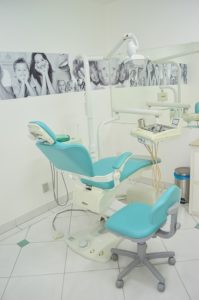 Maintaining your gum health is vital to your overall health. When you visit our office for an examination, our trained hygienists perform a periodontal exam. In fact, during your examination, our team is quietly assessing your oral health by performing a number of checks. Here’s what you need to know about periodontal disease.
Many Names, One Illness
You may have heard periodontal disease referred to as gum disease or gingivitis. Periodontal disease is the inflammation and infection of your gums. These names are frequently used interchangeably.
Signs & Symptoms
Periodontal disease may be marked by swollen and red gums. Bleeding, especially while brushing and flossing, may also occur. Another symptom of periodontal disease is persistent bad breath. If you experience any of these symptoms regularly, please contact our office.
Periodontal Disease Can Impact Your Overall Health
Your gum health is linked to your overall health. If left untreated, periodontal disease can lead to bleeding gums, gum recession, and tooth loss. The effects of periodontal disease extend well beyond your mouth. In fact, according to the American Academy of Periodontology, the disease can increase your risk of developing heart disease, diabetes, and stroke.
While you may think of your teeth as the primary reason to visit our office for a regular examination, understand that our team is looking beyond your teeth to assess your oral health and potential impacts on your overall health. Talk to our experienced team if you experience any signs or symptoms of periodontal disease. Our team is trained to identify signs of periodontal disease. When detected early and managed properly, periodontal disease is treatable.
For more information regarding your gum health, please contact our office, or schedule a visit to see us.
859 E Belvidere Rd Grayslake, IL 60030
Phone: (847) 231-2537
 The year is closing and holidays are on the horizon. Are you planning year-end travel or a last-minute getaway? Before heading out on your next adventure, make sure you are prepared with these 3 quick tips for maintaining optimal dental health during travel.
 A canker sore can make eating, drinking, and talking difficult and even painful. Maintaining your oral health by brushing and flossing may also be difficult with a sore in your mouth, but keeping up with your daily oral hygiene routine is an important step in the healing process. We’ve put together a short guide to everything you need to know about canker sores.
 At times, life can seem to move quickly. Between work, school, sports, and social events, it can seem there is little time left for you and your health. It’s imperative for a healthy mouth and body to always have your next dental appointment scheduled and to prioritize this care. Our team will work with you to find the most convenient day and time for you. If you need to reschedule, we will do our best to accommodate you. Advanced notice of a change is greatly appreciated, whenever possible. Missed appointments without notice are harmful to our practice, as we’ve reserved your appointment time exclusively for you.
 It’s highly likely that after visiting our practice, you understand the value of a thorough, professional dental cleaning. It’s also likely that you may not fully understand the importance of a complete exam and radiographs.
 Loose teeth, bad breath, and painful, bloody gums – these are among the signs and symptoms of periodontal, or gum, disease. Unfortunately, periodontal disease can also begin without any obvious symptoms. If left undiagnosed or untreated, you could be at risk for irreparable damage to your teeth and gums. The good news is that periodontal disease is preventable. In fact, one of the most effective tools for preventing the disease only takes a minute of your time each day.
 The human body is a network of interconnected systems and organs. Unfortunately, issues that impact one particular area of your body can also effect the health and function of other areas. Recently, studies have highlighted evidence for links between gum disease and heart disease.
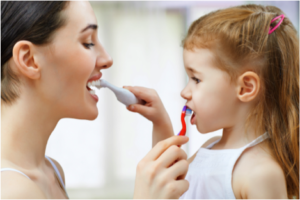 Clearing up misconceptions about oral health can help improve personal oral hygiene efforts for a beautiful and healthier smile. If you keep up with your oral hygiene regimen, dental visits are significantly easier and dental care is more manageable.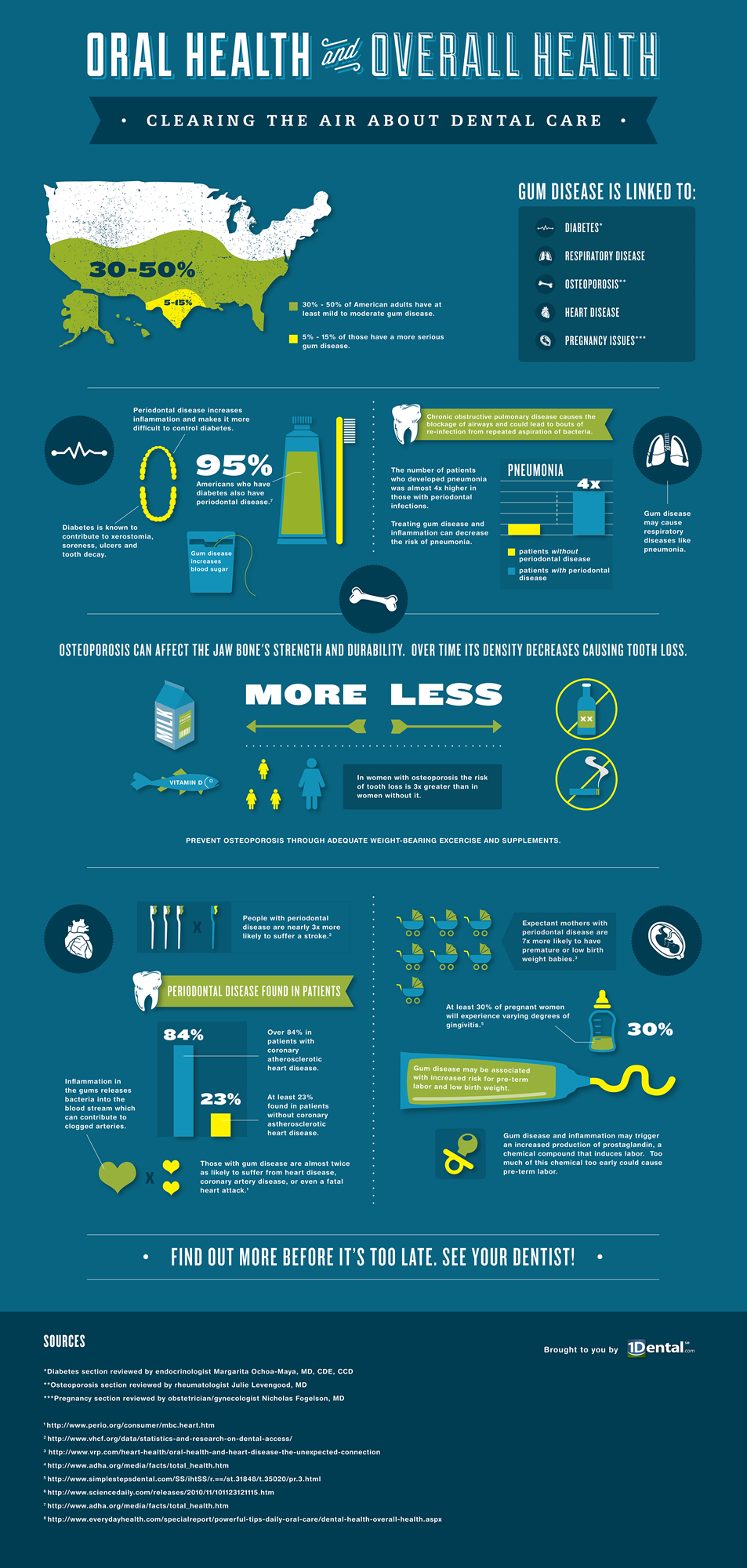
 No time to brush or floss your teeth? When brushing or flossing isn’t convenient, you can still keep your mouth feeling fresh by eating certain foods. When you’re on the go or in a hurry, try grabbing one of these foods to munch on to help fight plaque and keep your teeth healthy.