


Dentist Near Me
 Tooth sensitivity is a condition that can make everyday activities such as eating, drinking, and even walking outside in colder weather painful and unpleasant. If you frequently experience a sharp burst of pain in your teeth when drinking coffee, eating ice cream or being hit by a gust of cold air, sensitive teeth may be the cause. Sensitive teeth are a common, though frustrating issue. The Academy of General Dentistry (AGD) estimates that up to 40 million adults in the United States suffer from this condition.
The primary cause of sensitive teeth is thinning of the enamel, the hard covering that protects teeth from damage. Thinning of the enamel exposes the dentin within teeth, which is full of nerve endings. Exposed nerve endings are the reason you can feel a sudden flash of pain when enjoying your favorite ice cream.
Fortunately, sensitive teeth are a treatable condition. Here are some of your options for managing sensitive teeth.
Adjust your brushing habits
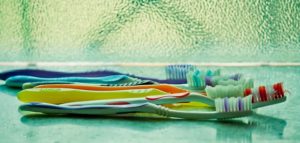
Tooth sensitivity may be reduced by a simple change in your daily brushing habits. Switching to a softer toothbrush should be one of your first steps. Brushes with hard bristles can aggravate your teeth, increasing sensitivity and discomfort. Likewise, scrubbing teeth aggressively can hasten damage to the tissue covering the roots of your teeth and increase sensitivity. Be sure to brush gently for a full two minutes at least twice daily.
Try a special toothpaste
Toothpastes made to treat sensitive teeth can be a helpful remedy. These toothpastes can be purchased over the counter and contain ingredients designed to help protect your teeth. It is important to use the toothpaste regularly to see improvement.
Avoid acidic foods and drinks
Soda, citrus and red wine are some of the acidic biggest offenders. If you cannot fully avoid acidic foods and beverages, be sure to brush twenty minutes after consumption. Be aware that brushing immediately after can actually increase sensitivity, so it is better to rinse your mouth and allow sufficient time for the acids to be neutralized by your saliva before brushing.
Surgical solutions
In some cases, surgical solutions may be recommended to treat the underlying cause of your teeth sensitivity. If you have receding gums, tissue grafts can help protect your teeth roots and reduce sensitivity. Inlays, crowns and bonding may also be options if there is damage to your teeth that is causing or exacerbating your sensitivity.
Speak with our dentist to determine what type of treatment is best for your sensitivity. Contact our office for your consultation.
859 E Belvidere Rd
Grayslake, IL 60030
Phone: (847) 231-2537
 At times, life can seem to move quickly. Between work, school, sports, and social events, it can seem there is little time left for you and your health. It’s imperative for a healthy mouth and body to always have your next dental appointment scheduled and to prioritize this care. Our team will work with you to find the most convenient day and time for you. If you need to reschedule, we will do our best to accommodate you. Advanced notice of a change is greatly appreciated, whenever possible. Missed appointments without notice are harmful to our practice, as we’ve reserved your appointment time exclusively for you.
 It’s highly likely that after visiting our practice, you understand the value of a thorough, professional dental cleaning. It’s also likely that you may not fully understand the importance of a complete exam and radiographs.
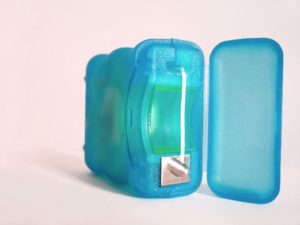 Loose teeth, bad breath, and painful, bloody gums – these are among the signs and symptoms of periodontal, or gum, disease. Unfortunately, periodontal disease can also begin without any obvious symptoms. If left undiagnosed or untreated, you could be at risk for irreparable damage to your teeth and gums. The good news is that periodontal disease is preventable. In fact, one of the most effective tools for preventing the disease only takes a minute of your time each day.
 During a comprehensive dental examination, our team will look for signs of oral cancer. Early detection is key with oral cancer. If caught early, most forms of oral cancer are treatable. Our dental team is trained and educated to identify oral cancer.
 The human body is a network of interconnected systems and organs. Unfortunately, issues that impact one particular area of your body can also effect the health and function of other areas. Recently, studies have highlighted evidence for links between gum disease and heart disease.
 Nearly everyone has at least one habit that they wish they could break. Did you know that some of them can affect your oral health? Here are a few common habits and tips for how to break them.
 Do you suffer from regular sensitivity? Teeth sensitivity is often misunderstood, but our dental team can help you find relief. We’re here to separate the fact from fiction in sensitivity.
 X-rays provide useful visual data for dentists to utilize when treating you. Occasionally, guests to our office ask about the radiation from x-rays and the dangers associated with high-exposure. Rest assured, a dental x-ray is one of the safest medical imaging procedures there is. Here’s what you need to know about getting a dental x-ray.
 Before, during, and after cancer treatment it is necessary to keep up with your oral health routine. Cancer and cancer treatments can impact your mouth, so talk to our dentist about your specific treatment and what you can do to keep up with your oral health. Here are a few points to consider.