

Dentist in Grayslake
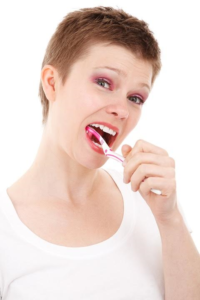 Occasionally you might find yourself in a situation where you won’t be able to brush your teeth, perhaps through a lack of time or your location. Though it is vital to brush twice each day, here are a few steps you can take if you find yourself in a bind.
Drink Water
When you are in a spot where you won’t be able to brush your teeth for a while, water can be your friend. Drink water to help wash away sugars and acids that are in your mouth and on your teeth. Water also helps your mouth produce more saliva, which works to keep enamel strong. Our doctor suggests drinking water regularly, not just when you can’t brush your teeth.
Chew Sugar-Free Gum
Try chewing some gum to help keep your teeth clean. The American Dental Association (ADA) approves certain chewing gum brands with their seal on the package. ADA approved gums are sugar-free and do not contain other decay causing sweeteners. Like drinking water, chewing gum is good for saliva production, which helps to strengthen tooth enamel.
Floss Your Teeth
We suggest always carrying dental floss; it’s usually small enough to fit almost anywhere. Flossing is not a replacement for brushing, just as brushing does not replace the need for flossing, however in a pinch it is essential that you remove any plaque and build up that you can. The ADA suggests flossing once a day. Flossing will help improve your gum health too.
Use a Disposable Toothbrush
If you know you might be out of the house for a while, perhaps because of a long day at work or an overnight stay, we recommend you consider a disposable toothbrush. Disposable brushes usually come with toothpaste already applied and are easy to store and carry. They are an excellent alternative that allow you to still thoroughly clean your teeth.
Avoid Sugary Foods
A helpful step you can take if you find yourself in a situation where brushing isn’t possible is to avoid eating or drinking sugary or acidic things. Acids and sugars are what contribute to decay, as they weaken your teeth’s enamel. If you cannot brush your teeth, then don’t eat foods that lead to decay. Avoid sugary soft drinks, juices, sports drinks, and energy drinks as these drinks will leave behind sugars and acids that sit on your teeth.
For more helpful tips on keeping your smile healthy, contact our office.
 are of your dentures can seem like an added chore. Don’t worry, with a little effort your dentures can stay clean. Here are 5 tips for keeping your dentures clean and your smile healthy.
 Our dentist might suggest dental sealants for your child during a visit to our office. Sealants are a way to protect your teeth against decay. With any dental treatment, it helps to understand the procedure and how it can impact your child’s oral health.
 If you are a mother who is breastfeeding your baby, there are several important points to be aware of regarding your baby’s teeth. We suggest you talk with your doctor about your plans on feeding your baby, but there are some known benefits of breastfeeding. According to the U.S. Department of Health and Human Services, breastfeeding can help reduce a child’s risk of developing asthma, diabetes, obesity, ear infections, sudden infant death syndrome, and other disorders, but it also affects your child’s teeth – here’s how:
 Calcium is an important mineral for building strong, healthy teeth, but not everyone can tolerate the lactose found in dairy. Lactose is a sugar found in milk and other dairy products. About 65% of people have reduced ability to process lactose past infancy.
 Our convenient local dental office is featuring children’s dentistry services for families in our community. The American Dental Association recommends that all patients follow a routine of dental examinations at least every six months, or as directed by their dentist. This is particularly important for growing children.
 Over 45% of U.S. adults have moderate to severe periodontal disease. Periodontal disease ranges from a mild inflammation of the gum tissues to periodontitis, a major oral disease that can result in soft tissue and bone damage and even tooth loss. Our experienced dentist is providing periodontal treatments to both new and existing patients who are suffering from any form of periodontal (gum) disease.
 Did you know that some types of sugar can be less detrimental for your teeth than others?
 Although dental sealants are often associated with pediatric dentistry, they can be a beneficial option for adults as well. A dental sealant is a protective, plastic film that helps prevent tooth decay.